
Canberra Wasp Control
Canberra wasp control offers reliable services for wasp removal and management across ACT, targeting nests of wasps including paper wasps and yellow jackets. Our expert team ensures safe and effective wasp extermination to protect your home and property.
Call Now!
Understanding Wasp Behavior
What Attracts Wasps to My Property?
Wasps, such as vespula and paper wasps, are drawn to certain things around homes and gardens. These social wasp species look for food, water, and places to build nests to keep their colonies alive. Here are what usually attracts wasps:
- Sugary and Sweet Foods: Wasps like sugary drinks, ripe fruits, nectar from flowers, honey, and food waste with sugar. Outdoor eating areas or open bins can easily attract wasps.
- Flowers and Nectar: Many wasps help with pollination by visiting flowers to drink nectar. Gardens with shrubs and flowering plants may attract wasps naturally.
- Water Sources: Wasps need water to care for their nests and cool down the colony. Birdbaths, dripping taps, or wet spots will attract them.
- Sheltered Habitats: Wasps look for safe spots to make nests, such as eaves, sheds, hollow trees, and thick shrubs.
Knowing what attracts wasps helps you take steps like securing food waste and removing standing water to stop wasps from building nests near your home.
When Are Wasps Most Active in Canberra?
In Canberra, wasps follow a pattern of activity based on temperature and daylight hours:
- Spring to Early Autumn: Wasps are most active in warmer months, from spring to early autumn. This is also when insect activity and pollination rise.
- Daytime Activity: Wasps are busy during daylight, especially in the morning when it gets warmer. Sunny weather gives them energy to find food.
- Cool Times: At night or in cold weather, wasps are less active and stay near their nests.
Knowing when wasps are active helps you plan wasp control in Canberra during the busiest times.
How Far Will Wasps Travel to Find Food?
Different wasp species have different ranges to find food. Most social wasps in Canberra suburbs usually stay close to their nests:
- Forage Radius: Wasps travel about 100 to 300 metres from their nest to find nectar, sugary foods, or protein.
- Colony Needs: The queen manages the foraging to make sure workers find enough food for larvae and adults nearby.
- Species Differences: European wasps and paper wasps live in Canberra and usually keep near suburban areas where food and water are easy to find.
Knowing how far wasps travel lets you control food sources better and stop wasps from feeding near your property.
How Do Weather Conditions Affect Wasp Activity?
Weather affects how wasps behave and their nest activity in Canberra:
- Temperature: Warm weather makes wasps more active. When it is cold, they slow down or stay inside nests.
- Rain and Humidity: Heavy rain lowers wasp activity for a short time. High humidity can help keep nests moist and comfortable.
- Wind: Strong wind makes flying hard, so wasps stay close to their nests.
- Seasons: Wasps build and keep nests mostly in spring and summer. Their activity drops in autumn when temperatures go down.
Watching weather changes can help predict wasp activity and guide insect control in Canberra.
For expert help with wasp problems, call Canberra Wasp Control today. Our team uses safe and effective ways to protect your home and family. Don’t let wasps cause harm, ask for a callback now! If you have questions about wasps on your property, contact us for tips on wasp safety and prevention.
Identifying Wasp Species in Canberra
What Are the Key Characteristics of a European Wasp?
The European wasp (Vespula germanica), also known as the yellow jacket, is an introduced species found in Canberra. These wasps have bright yellow bodies with clear black stripes, making them easy to spot. European wasps are social insects that live in large colonies which grow quickly during warm months.
They are aggressive and can sting painfully. Their stings are a risk to anyone nearby. European wasps hunt other insects and scavenge for food. They can sting many times, which makes them more dangerous, especially if someone has a wasp sting allergy.
If you see European wasps near your home or work, act quickly to lower the risk of getting stung.
How Can I Distinguish a Paper Wasp From Other Species?
Paper wasps belong to the Polistes group and are native to Australia. Common species include Polistes humilis, Polistes chinensis, and Polistes chinensis antennalis. They have slender bodies with long, yellow legs that often hang down when flying. Their bodies show distinct markings that differ from the thick black stripes on European wasps.
Paper wasps build nests that look like thin paper. These nests are usually under eaves, attached to tree branches, or in other sheltered places in suburban and bushland areas. Unlike European wasps, paper wasps are less aggressive but will protect their nests if disturbed.
Knowing these features helps you identify the type of wasp and manage the risk safely.
What Dangers Do Different Wasp Species Pose?
Wasps can deliver painful stings that may cause injury. In Canberra, European wasps and yellow jackets are very aggressive and can sting several times, raising the chance of harm.
Some people have allergic reactions to wasp stings. Reactions can be mild, like swelling, or very serious like anaphylaxis. It is important to know if you or a family member has a wasp sting allergy and take steps to avoid stings.
Paper wasps are less aggressive but still pose a risk if their nests are disturbed. Multiple stings from any wasp are dangerous. Wasps are predatory and can cause injuries.
Understanding these risks helps you protect yourself, your family, and pets.
Where Do Various Wasp Species Typically Build Nests?
Different wasps build nests in various places near where people live:
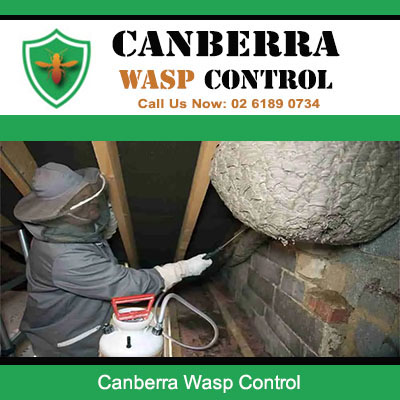
- European wasps often build nests underground or inside cavities such as attics, wall spaces, or hollow parts of brickwork, mortar, sandstone, and limestone.
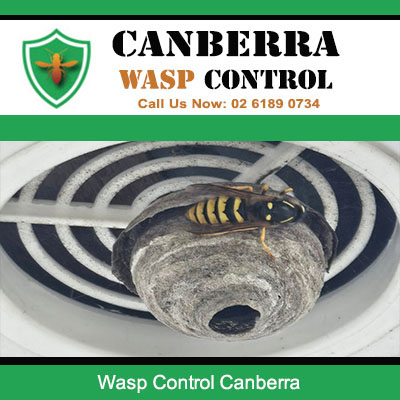
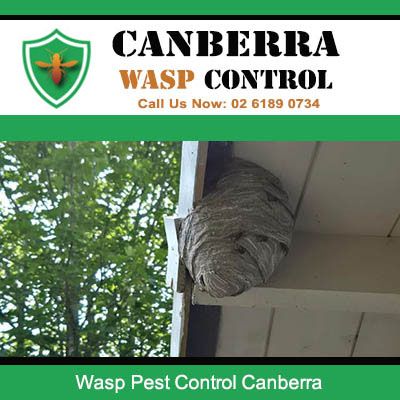
- Paper wasps make papery nests under eaves, on tree branches, or in other sheltered spots in suburbs and bushland.
- Mud wasps (mud dauber wasps) build nests from mud, usually attached to walls or under roof edges.
Wasp nests can be hard to see, but you might notice wasps flying near sheltered spaces or holes in buildings. This can mean there is a nest close by.
For safe removal and to stop new nests, get help from a professional who knows local wasp behaviour and where they build nests.
Do you see wasps around your home or business? Contact Canberra Wasp Control for expert identification, safe removal, and advice on keeping your property free of wasps. Call 02 6189 0734 or request a callback on our website.
Have you had problems with wasps in Canberra? Share your questions or stories below—we are here to help!
Sources:
- Australian Museum, Wasp Species of Australia. australian.museum
- Department of Health, Insect Sting Allergies. health.gov.au
Effective Wasp Prevention Strategies
How Can I Seal Potential Wasp Nesting Sites?
Wasps like to build nests in quiet, sheltered spots around your home or business. They often choose places such as cracks and holes in mortar, masonry, sandstone, limestone, brickwork, eaves, walls, and window frames. To stop wasps from making nests, you need to seal these spots well.
- Check all walls carefully, especially where mortar or stone may be damaged, for gaps or holes.
- Use sealants to close cracks in masonry, sandstone, limestone, and brickwork.
- Look under eaves and around windows for small spaces and seal them.
- Cover vents or openings that let wasps get into protected areas.
- Keep building materials in good condition by fixing mortar and bricks to reduce wasp access.
Sealing these sites early helps prevent wasp nests and lowers the chance of wasp problems.
What Plants Deter Wasps Naturally?
Some plants, shrubs, and flowers can naturally keep wasps away. Wasps are drawn to sugar, sweet nectar, and places that give them food and shelter.
To help keep wasps out of your garden or yard:
- Avoid planting flowers that make lots of sweet nectar, like gardenias or jasmine, where people spend time.
- Plant types that wasps do not like, such as:
- Mint
- Eucalyptus
- Citronella
- Wormwood
- Marigolds
Keep your garden tidy by trimming shrubs and removing dead flowers to reduce wasp-friendly spots. Using these natural methods with other wasp control steps works best.
These plants provide safe, natural ways to reduce wasps near your home or business.
How Should I Manage Food Waste to Avoid Attracting Wasps?
Managing food waste well is key to stopping wasps. Wasps are attracted to sugary and sweet food scraps. If food waste is left out, it can bring wasps closer to your property.
To avoid this:
- Put food waste into sealed rubbish bins quickly.
- Clean bins often to get rid of smells that attract wasps and other pests.
- Do not leave food scraps or sugary drinks outside without a cover.
- Use bins with tight lids, especially in warm weather when wasps are active.
- Adding water with detergent at the bottom of outdoor bins can help stop insects from gathering.
Keeping waste areas clean helps control wasps and keeps your property safer.
How Often Should I Inspect My Property for Early Signs of Nests?
Regular checks of your property help find wasp nests early. Early spotting means you can act before the problem grows. This reduces risks to your family or customers.
Follow these tips for inspecting your property:
- Check your property every one or two weeks during spring and summer when wasps are most active.
- Look for small nests in usual places like eaves, roof spaces, wall cavities, and garden sheds.
- Notice if there is more wasp activity than normal, which may mean there is a nest nearby.
- Use binoculars to see hard-to-reach areas safely.
- If you find a wasp nest, call professional pest control for safe removal right away.
Frequent inspections help lower the chance of wasp infestations and keep control over your surroundings.
Dealing with Wasp Stings and First Aid & Prevention
What Are the Symptoms of a Wasp Sting Allergy?
Wasp stings usually cause pain, swelling, and redness around the sting area. Sometimes, a person’s immune system has a stronger reaction called an allergic reaction. Signs of a wasp sting allergy include:
- Hives or itchy skin rash
- Swelling beyond the sting area
- Trouble breathing or wheezing
- Feeling dizzy or faint
- Fast heartbeat
- Anaphylaxis, which is a very serious and dangerous reaction
It is important to notice these symptoms early. If you or someone else shows signs of an allergic reaction after a wasp sting, get medical attention right away. Knowing about wasp sting allergy risks can help keep people safe.
How Should I Treat a Wasp Sting Immediately?
Taking care of a wasp sting quickly helps lower pain, swelling, and infection risk. Follow these steps for good first aid and wasp sting treatment:
- Clean the wound: Wash the sting with soap and water carefully.
- Use a cold compress: Put an ice pack or cold cloth on the sting to reduce swelling and ease pain.
- Take pain relief: Use over-the-counter pain medicine like paracetamol if needed.
- Take antihistamines: These can stop itching and reduce swelling from the allergic reaction.
- Don’t scratch: Scratching may cause more irritation and increase infection risk.
If the sting gets worse or allergy symptoms start, call emergency services immediately. Giving quick and proper care after a wasp sting is very important.
When Should I Seek Medical Attention After a Wasp Sting?
Most wasp stings heal by themselves without trouble, but some need fast medical help. See a doctor or go to hospital if you have:
- A strong allergic reaction or anaphylaxis
- Breathing problems, swelling of face or lips, or tight throat
- Feeling dizzy, faint, or having a fast heartbeat
- Big swelling that spreads away from the sting site
- Signs of infection like heat, pus, or fever
In hospital, doctors may give medicine like epinephrine to stop anaphylaxis. Do not ignore serious wasp sting symptoms. Getting medical help fast can stop major harm.
How Can I Minimize the Risk of Being Stung by Wasps?
Stopping wasp stings before they happen is the best way to stay safe, especially during seasons when wasps are active. Try these wasp prevention tips:
- Don’t disturb wasp nests or hives. If you find one at home, call Canberra pest control experts to remove it safely.
- Wear long sleeves and pants when outside in places where wasps live.
- Keep food and drinks covered when eating outdoors to avoid attracting wasps.
- Put rubbish in bins with lids and take out the trash often.
- Check your property often for early signs of wasp nests and act quickly if you find any.
- Learn about wasp behaviour so you know when they are most likely to sting and avoid those times.
For professional Canberra wasp control, trust trained wasp experts who use safe ways to handle nests and lower risks.
Do you have questions about wasp sting first aid or want advice on how to prevent wasp stings in Canberra? Contact Canberra Wasp Control for expert help. Call us now at 02 6189 0734 or ask for a callback online. Stay safe and protect your family from painful wasp stings!
Choosing the Right Wasp Control Service
What Qualifications Should I Look for in a Pest Control Technician?
When looking for canberra wasp control, choose a pest control technician who is trained and professional. Make sure they have:
- Certification and Licensing: They should hold valid licences and certificates to carry out pest management safely in Canberra.
- Experience: Pick wasp experts who have experience handling wasp problems successfully.
- Professionalism: A good exterminator explains the treatment clearly and answers your questions.
- Safety Training: Technicians must know how to apply treatments safely to protect your family and property.
Hiring a licensed and certified professional makes sure the service will be safe, effective, and follow local rules. This gives you confidence when dealing with wasps at home or work.
Are the Treatments Used Safe for Pets and Children?
Families want pest control Canberra services that are safe for kids and pets. Our wasp control services use:
- Environment-friendly and Non-toxic Treatments: These keep your family safe while removing wasps.
- Safe Application Methods: Technicians take steps to avoid any harm from chemicals.
- Low-risk Products: We pick treatments that protect everyone without losing effectiveness.
Choosing safe products means wasp removal in Canberra will not harm your children or pets. Always ask your pest control company about how they keep treatments safe.
What Guarantees Are Offered for Wasp Removal Services?
Good wasp control services in Canberra offer guarantees to make you feel sure about your choice:
- Service Guarantees and Warranties: Many companies promise to fix your wasp problem. If not, they will return and treat the area again at no extra charge.
- Satisfaction Assurance: Professionals want you to be happy with their work.
- Reliable and Effective Results: Guarantees show a company’s promise to keep your home free of pests.
A trusted wasp removal service will explain their guarantees before starting work. This builds trust and shows they care about lasting results.
How Quickly Can You Respond to a Wasp Infestation?
It is important to act fast when you see wasps near your home. Canberra wasp control companies know this and provide:
- Rapid Response and Emergency Inspections: They come quickly to check the situation.
- Same Day Service: You can get help on the same day you call.
- Service to Canberra Suburbs and ACT: They cover many areas fast.
- Quick Wasp Removal and Extermination: They work fast to keep you safe.
If you notice wasps or nests, call a pest management service right away. Acting fast stops the problem from getting bigger.
Areas We Service for Rodent Control in Canberra
We proudly deliver professional rodent control services throughout the Canberra region and surrounding areas.
Our experienced team helps homeowners and businesses safeguard their properties from unwanted rodent infestations with reliable and long-lasting solutions.
We provide expert services across a wide range of locations, including:
- Weston Creek
- Woden Valley
- Belconnen
- Molonglo Valley
- Queanbeyan
- North Canberra
- South Canberra
Protect your home or business today with trusted rodent control services across Canberra and nearby suburbs. Contact our team for fast, effective, and affordable protection.
Need fast wasp control in Canberra? Call us now at 02 6189 0734 for safe, quick, and expert service you can trust. Have questions? Leave a comment below or ask for a callback today!
What types of wasps are common in Canberra, and how can I identify their nests?
In Canberra and nearby places like Tuggeranong and Jerrabomberra, common wasps include Polistes humilis (paper wasps), Vespula germanica (German wasps), and Polistes chinensis antennalis (Asian paper wasps). Their nests appear in bushes, attics, holes, or exposed soil. Paper wasps make umbrella-shaped nests under eaves or shrubs. German wasps build closed nests underground or inside walls. These wasps have bright yellow and black colours and can be aggressive when protecting their nests.
Are wasp infestations a serious threat to my home and family in the ACT?
Yes, wasp infestations can be dangerous because their stings hurt and they act aggressively. Worker wasps protect their nests and may sting many times if disturbed. Nests close to homes, garages, or playgrounds increase the risk to children and pets. Getting help from pest control experts keeps your family safe.
How do professionals safely remove wasp nests in Canberra and nearby areas?
Professionals use special insect sprays that target the type of wasp and their nest. They work when wasps are less active, usually early morning or late evening, to avoid stings. They carefully remove and destroy nests so the wasps do not come back.
What steps can I take to stop wasps from nesting on my property?
- Seal cracks in walls and windows.
- Clean up food scraps and sugary drinks outside.
- Remove old nests from places like attics or sheds.
- Keep your garden tidy by trimming shrubs and bushes.
These steps make it harder for wasps to build nests near your home.
Do you offer wasp control services across ACT?
Yes, we provide wasp control in Canberra and nearby towns such as Jerrabomberra. We handle wasp removal, treatment, and prevention for homes and businesses following local rules.
Are your wasp treatment methods safe for children, pets, and the environment?
Yes. We use safe and approved products applied by trained staff. Our treatments control wasps effectively while keeping children, pets, and helpful insects like honey bees (Apis mellifera) safe. We also give advice on how to stay safe during and after treatment.
What should I do if I see wasps building nests near my home or in ACT government properties?
Do not disturb the nest. Keep children and pets away. Contact professional wasp exterminators quickly. Acting fast lowers the chance of stings and keeps your family safe. ACT government sites follow strict pest control rules, and professionals work according to these guidelines.
Can wasp control help with other pests like rodents or cockroaches?
Yes. Many pest control services also deal with pests such as rodents, cockroaches, and spiders like redback or trapdoor spiders. This helps protect your whole property from different pests. Contact us for a full check and custom pest plan.
Need expert wasp control or pest management in Canberra or ACT?
Call 02 6189 0734 for quick and reliable help. Protect your family and property with safe and effective wasp control today.
Canberra Wasp Control Insights
- We offer expert wasp control services across Canberra ACT, including Tuggeranong, Molonglo Valley, Queanbeyan, Belconnen, and Weston Creek. Our team helps remove and manage wasps and other insects like bees, termites, cockroaches, and bed bugs.
- Our experts handle wasp extermination and removal for common types such as Polistes humilis, Vespula germanica, and Polistes chinensis. These wasps are known for their aggressive nature, painful stings, and yellow-striped jackets.
- We provide full pest control solutions that include checking for wasp nests, identifying them, and removing them to stop infestations in homes and businesses. We follow the rules set by the ACT Government to keep everyone safe.
- We know how dangerous wasp infestations can be. Our work focuses on safe ways to prevent wasps and manage pests to protect families, pets, and property from harm caused by wasps and other insects.
- Our wasp treatment plans cover nests found in many places like attics, trees, cavities, and walls. We use eco-friendly methods that cause little disturbance and help stop wasps from coming back.
- We deal with wasp problems all year. We understand that wasps build nests in spring and become more active during the day. We help people avoid getting stung or disturbed by buzzing wasps.
- As experts in insect control in Canberra, we also manage other pests such as mortar bees, honey bees, and American cockroaches. Our services include smart digital rodent and pest control solutions.
- Our blog shares helpful tips on how to spot wasps by their look, markings, and behaviour. This information helps people learn when to spot and safely report wasp issues early.
- We serve both homes and businesses with pest management services that include full inspections, quick responses, and guaranteed results for wasp control and other insect problems in the ACT and Australia.
- Contact us today to book an inspection or ask for a callback. Get professional wasp control services in Canberra and nearby areas to keep your home and workplace safe from wasps and insect injuries. Latitude: -35.28125457023595, Longitude: 149.13061311350612